

This post contains affiliate links. As an Amazon Associate, Glosi Korea earns from qualifying purchases at no extra cost to you. How I test products.
I’m a licensed esthetician in Seoul, and my own skin is combination: an oily T-zone and big pores.
Here’s my confession. The toner on my shelf right now is TONYMOLY’s Ceramide Mochi Toner. And by the afternoon, my T-zone is shiny. Heavy toners do that to oily skin, and this one most of all.
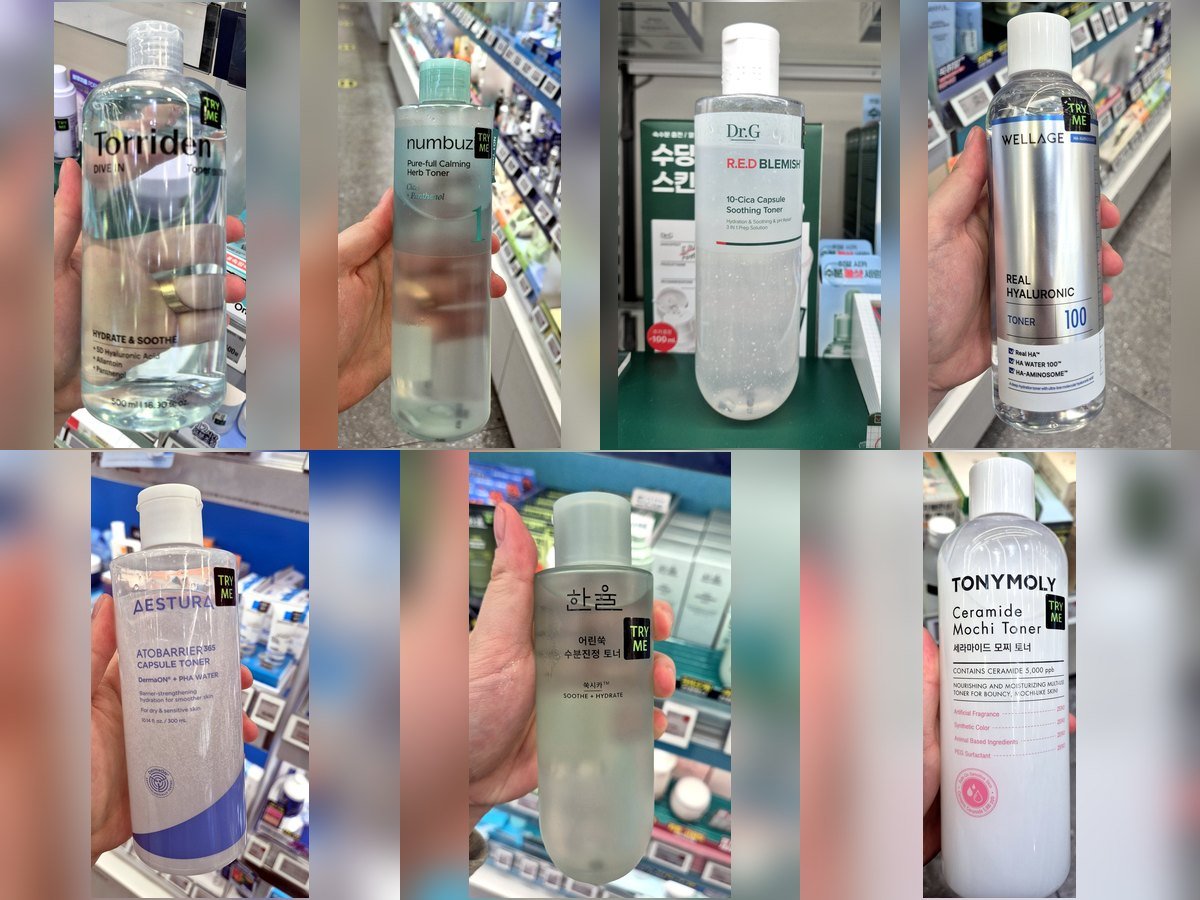
So I went to Olive Young, picked up the 7 Korean toners people ask me about most, and tried every tester on my hand. I also turned each bottle around and read the ingredient list, because the front of the bottle only tells you half the story. (One of them has a “ceramide 5,000” claim that isn’t what it sounds like. More on that in #7.)
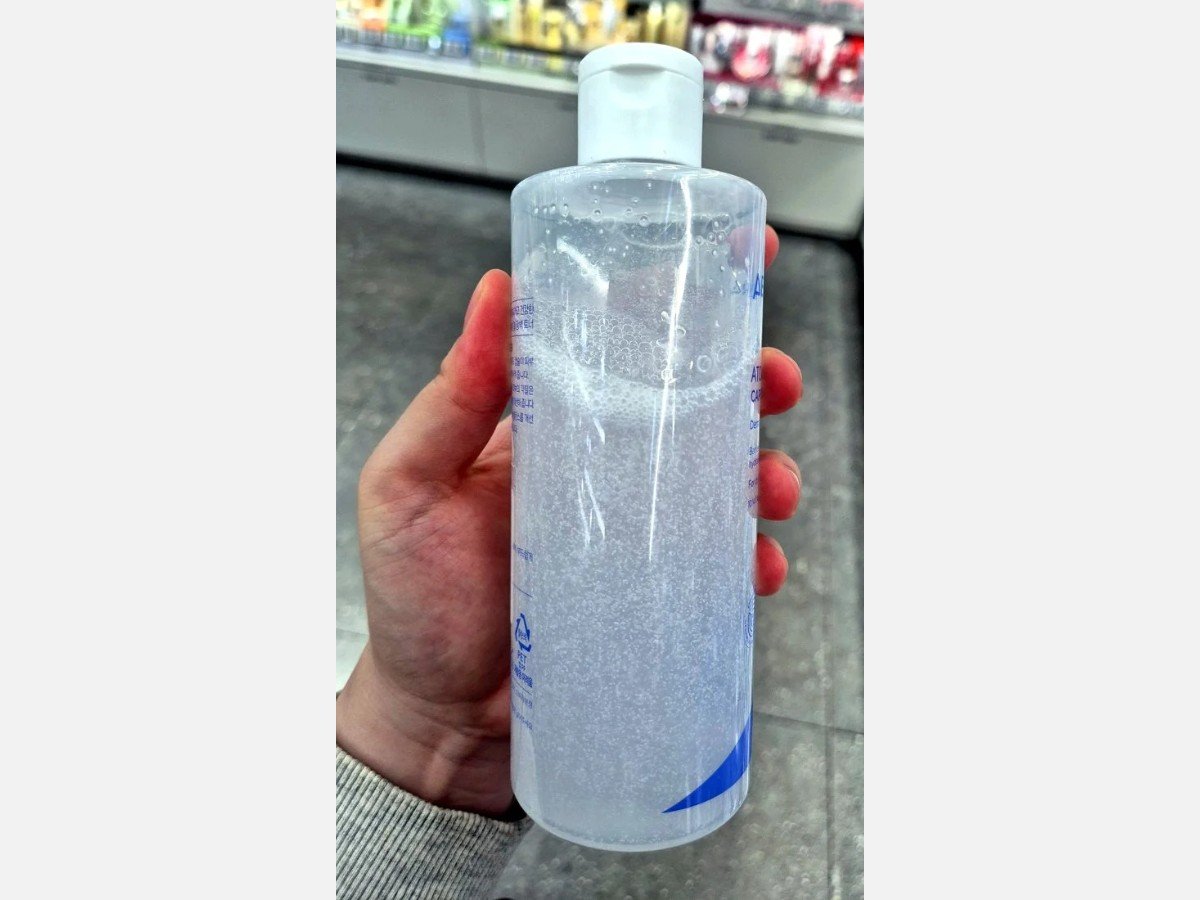
About my skin
Licensed esthetician. Combination skin with an oily T-zone, and pores are my biggest worry. The toner on my shelf right now is TONYMOLY’s Ceramide Mochi Toner, and with heavy toners my T-zone gets shiny by the afternoon.
If you only read one part
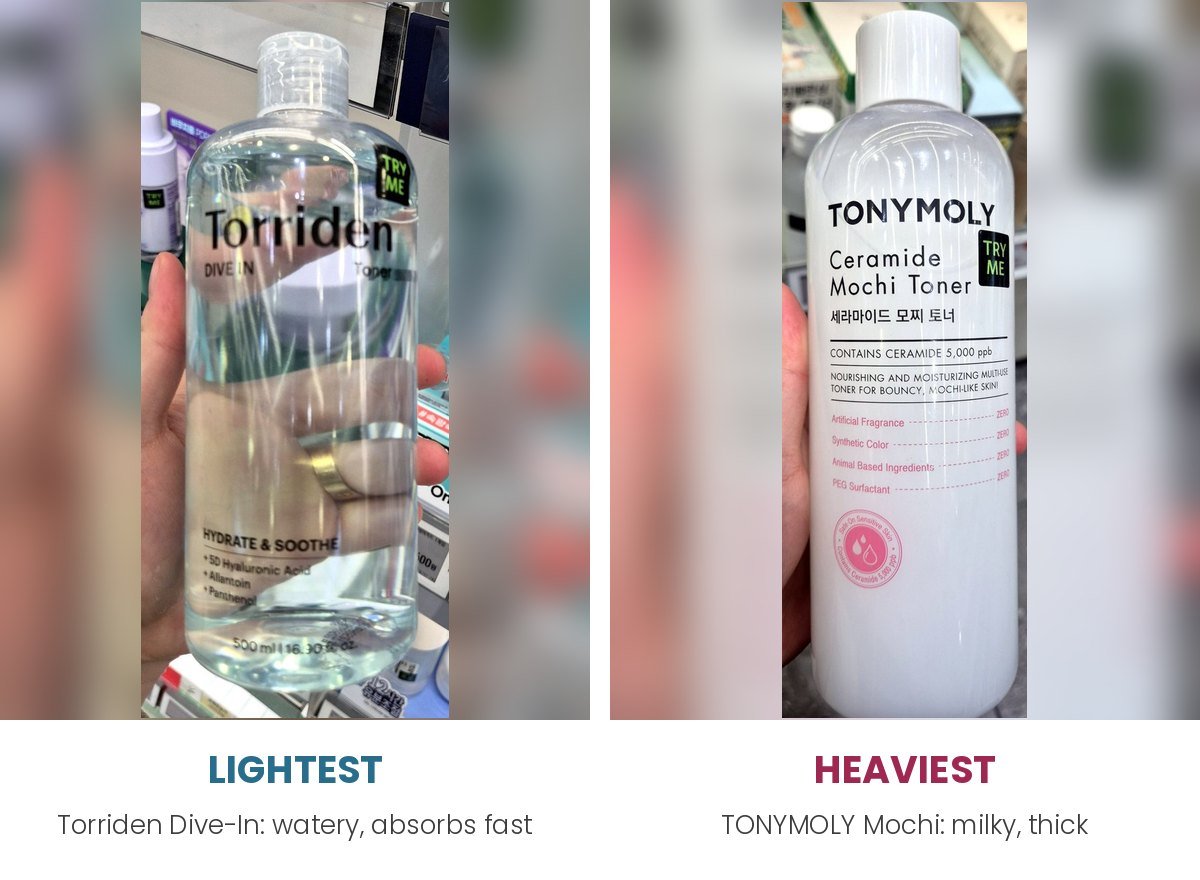
Best Korean toner for oily skin: Torriden Dive-In Toner. It has the lightest texture of all seven, it absorbs fast, and you can layer it again and again without feeling heavy.
How to use it: at night, pat on 3 to 4 layers with your hands.
- Combination skin (like mine): a light one like Torriden. With a heavy toner, my T-zone gets shiny by afternoon.
- Oily or acne-prone: Torriden Dive-In. Skip the TONYMOLY Mochi Toner. It’s too heavy for you.
- Breakouts and redness: numbuzin No.1 or Dr.G R.E.D Blemish. Both labels say they were tested on acne-prone skin.
- Barrier feels weak when the seasons change: AESTURA Atobarrier 365 Capsule Toner.
- You already love hyaluronic ampoules: Wellage Real Hyaluronic 100 Toner.
- Dry skin, or you hate layering: TONYMOLY Ceramide Mochi Toner. One or two layers is enough. (It’s the one I use, and it’s why I’m shiny by afternoon.)
How I choose a toner (an esthetician’s checklist)
When I pick a toner, I look at three things, in this order:
- How well does it absorb? If it just sits on top of the skin, it’s not doing its job.
- Is it too watery? Very watery toners feel nice, but you need more of them.
- Does it stay light when I layer it? This is the big one for oily skin. A toner can feel fine as one layer and heavy as three.
Torriden, my pick for oily skin, actually fails test #2. It’s the most watery of the seven. But for oily skin, that’s the point: watery means it absorbs fast, and fast absorbing means you can layer it as many times as your skin wants.
How to layer toner for oily skin
This is how I’d tell a client with oily skin to use toner:
- Use your hands. I use a cotton pad sometimes, but honestly, pads aren’t always hygienic, and most days I can’t be bothered. Pour a little into your palms and pat it in.
- At night, do 3 to 4 layers. Let each layer sink in before the next one.
- Pick a light toner, not a thick one. A heavy toner might feel great at night, but by the afternoon your T-zone shows it. I know, because that’s what happens to me.
Prefer pads anyway? I tested 9 Korean toner pads and only kept 3: here’s my toner pad review.
Quick comparison: 7 Korean toners from lightest to richest
| Toner | Texture | Key ingredients | Fragrance |
|---|---|---|---|
| Torriden Dive-In | Most watery, lightest | 5 types of hyaluronic acid, panthenol, allantoin | None |
| numbuzin No.1 | Watery | Centella, heartleaf, licorice extracts | None |
| Hanyul Pure Artemisia | Watery | Mugwort water, panthenol | Yes |
| Wellage Real Hyaluronic 100 | Watery | Hyaluronic acid as the first ingredient | None |
| AESTURA Atobarrier 365 Capsule | Light, with capsules | Ceramide capsules, PHA | None |
| Dr.G R.E.D Blemish Capsule | Slightly thick, with capsules | Niacinamide, cica, mandelic acid, peppermint water | None |
| TONYMOLY Ceramide Mochi | Milky, thickest | Ceramide, macadamia oil | Essential oils |
1. Torriden Dive-In Toner review: best Korean toner for oily skin
Of all seven, this one has the most watery, lightest texture. If your skin is oily, that’s exactly what you want: nothing heavy sitting on your T-zone.
What I like most: it absorbs fast, so you can put it on again and again. That’s what you want if you’re layering 3 or 4 times at night.
It also comes in the biggest bottle on the shelf (500 ml). When you layer this much, a big bottle is a good thing.
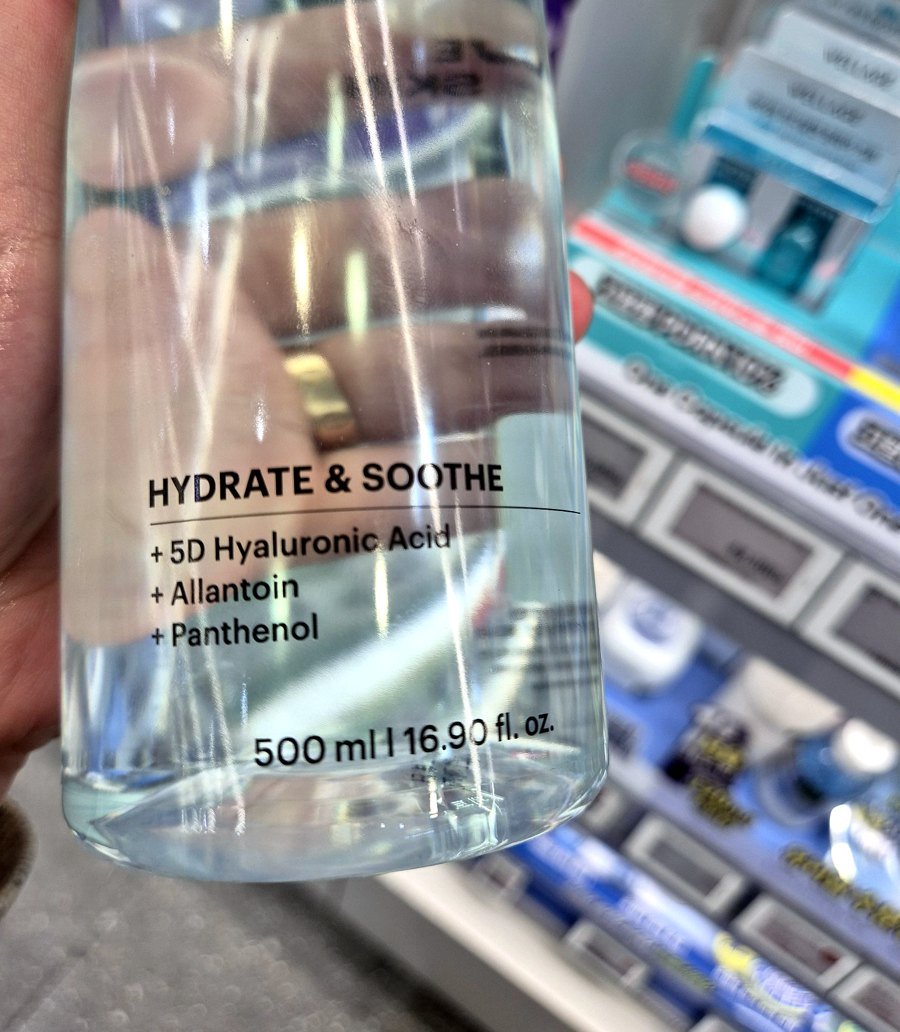
Ingredient check: water first, then five kinds of hyaluronic acid, plus panthenol and allantoin for the moisture barrier. No fragrance, no essential oils. It’s a short, simple formula, which is what I like to see for oily, reactive skin.
Who it’s for: oily and combination skin, and anyone who wants a light toner to layer.
Who should skip it: very dry skin that wants one rich layer and done.
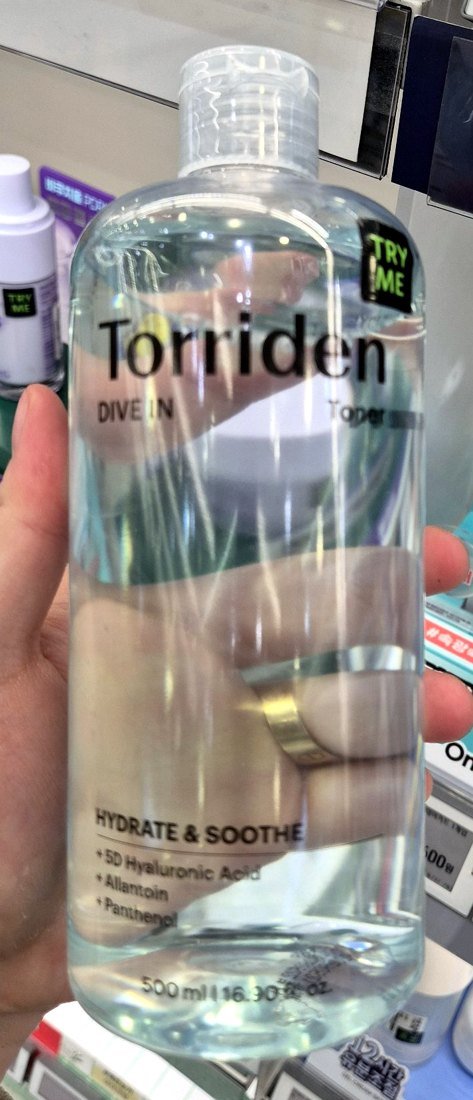
TORRIDEN
Dive-In Low Molecular Hyaluronic Acid Toner
My pick for oily skin. Lightest texture of the seven.
2. numbuzin No.1 Pure-Full Calming Herb Toner: for breakouts and redness
numbuzin’s No.1 toner is built around heartleaf (houttuynia), the plant Korean brands love for acne-prone skin. The Korean label says it’s suitable for acne-prone skin (non-comedogenic tested) and was tested for calming redness caused by heat.
Ingredient check: this is the interesting part. The first three ingredients aren’t water. They’re centella (39.2%), heartleaf (28.1%) and licorice root (25.7%) extracts. That’s a lot of plant extract for a toner. No fragrance.
Who it’s for: oily skin with breakouts and redness that gets worse when your face feels hot.
Who should skip it: if you react to plant extracts, patch test first.
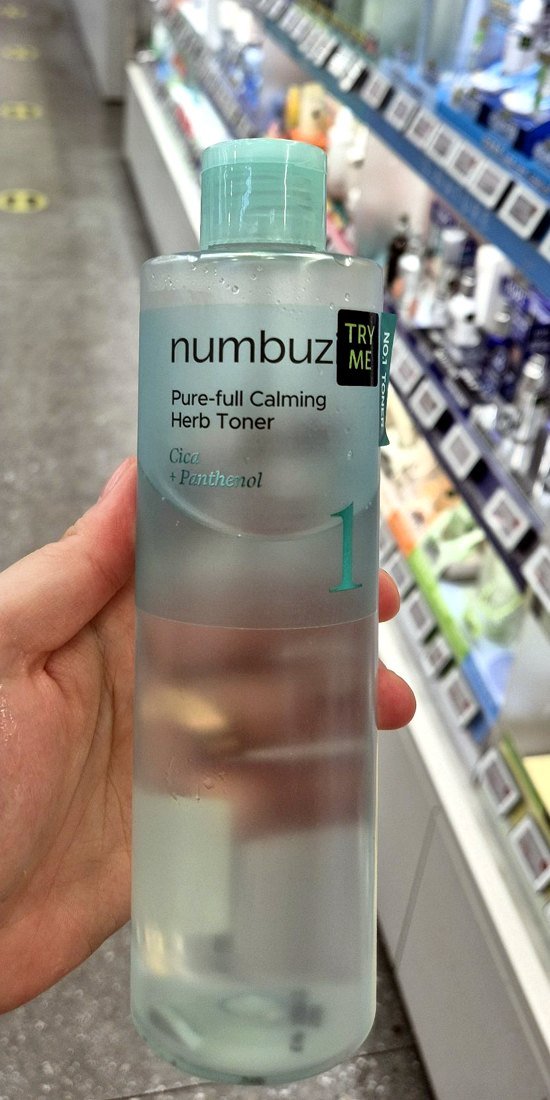
NUMBUZIN
No.1 Pure-Full Calming Herb Toner
Heartleaf, centella and licorice. Label says acne-prone tested.
3. Dr.G Red Blemish toner: cooling, with capsules
This one also has capsules floating in it, and it’s not watery like the others. It’s a little thicker. The label says it completed a human application test for acne-prone skin, and it’s dermatologist tested for sensitive skin.
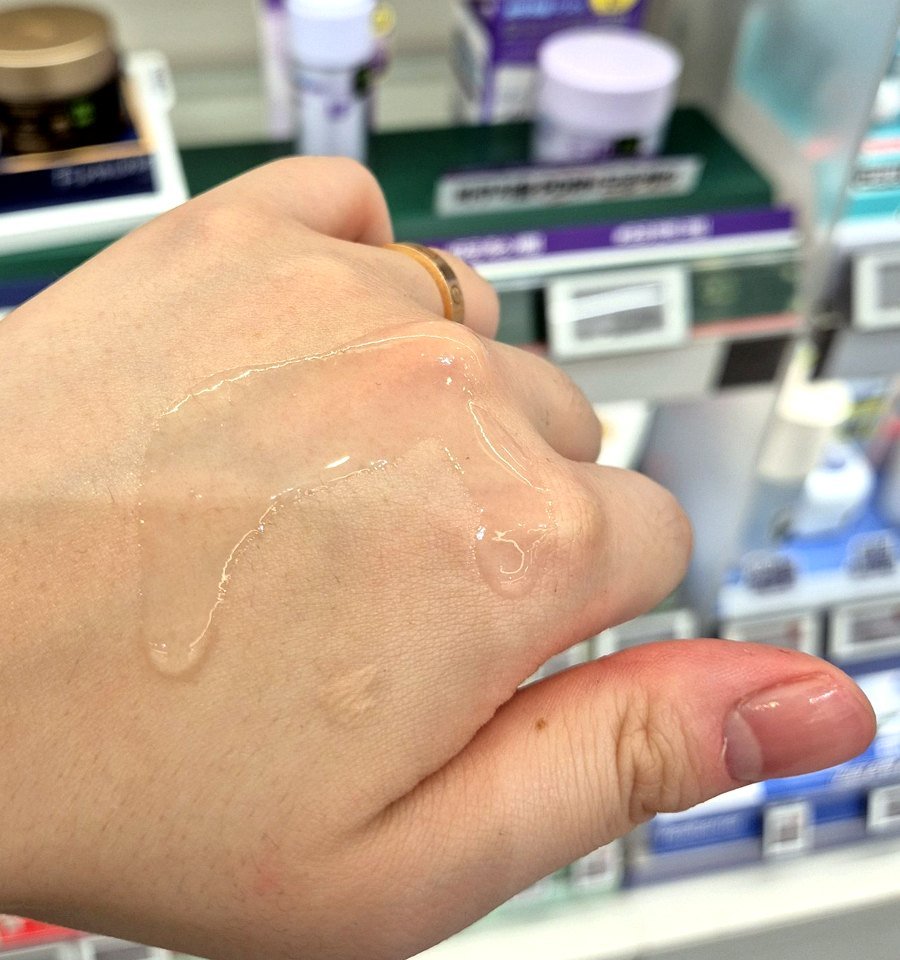
Ingredient check: niacinamide, five forms of centella, a little mandelic acid (a gentle AHA), and peppermint leaf water, which is where the cool feeling comes from. The label also says it’s weakly acidic. One note: the capsules contain stearic acid and lecithin, so if you get fungal acne (Malassezia), this one isn’t for you.
Who it’s for: oily, red, bumpy skin, especially on hot days.
Who should skip it: fungal acne, or skin that stings with mint.
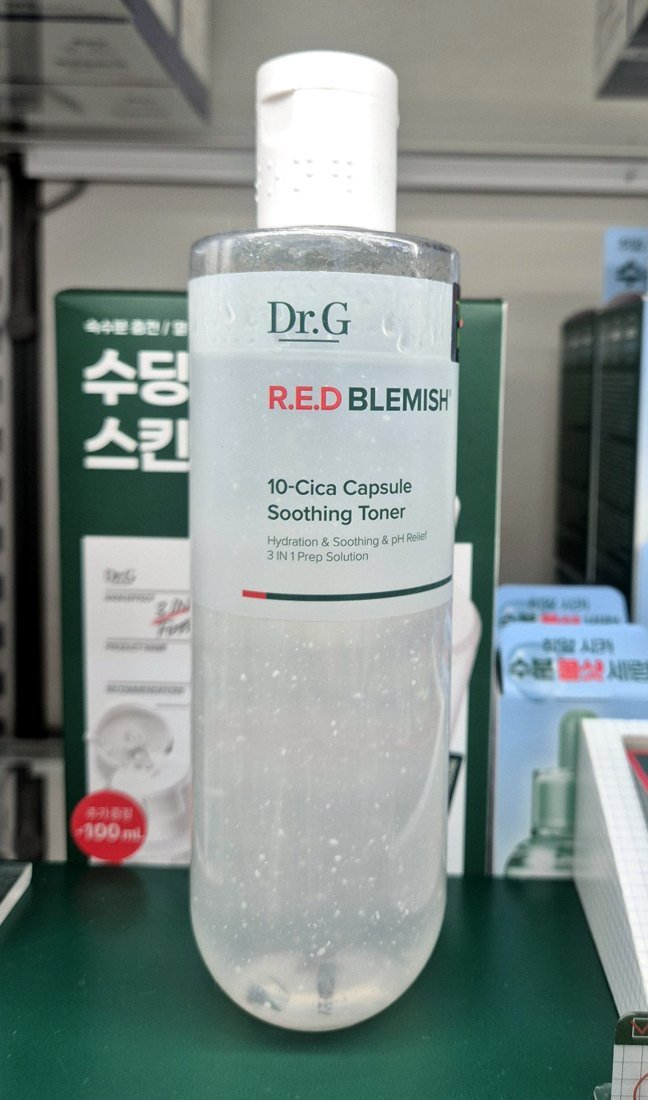
Dr.G
R.E.D Blemish 10-Cica Capsule Soothing Toner
Niacinamide and cica, with a cooling feel. Slightly thick.
4. Wellage Real Hyaluronic toner: if you love the ampoule
I already use the Wellage hyaluronic ampoule. When I read this toner’s label, the ingredients were almost the same as the ampoule’s. So if you’re a fan of that ampoule, you’ll really like this toner.
Ingredient check: the first ingredient isn’t water. It’s hydrolyzed hyaluronic acid, followed by close to ten different forms of hyaluronic acid. No fragrance, no oils.
Who it’s for: anyone who wants simple, pure hydration, and Wellage ampoule fans.
Who should skip it: if you want calming ingredients for breakouts, numbuzin or Dr.G fits better.
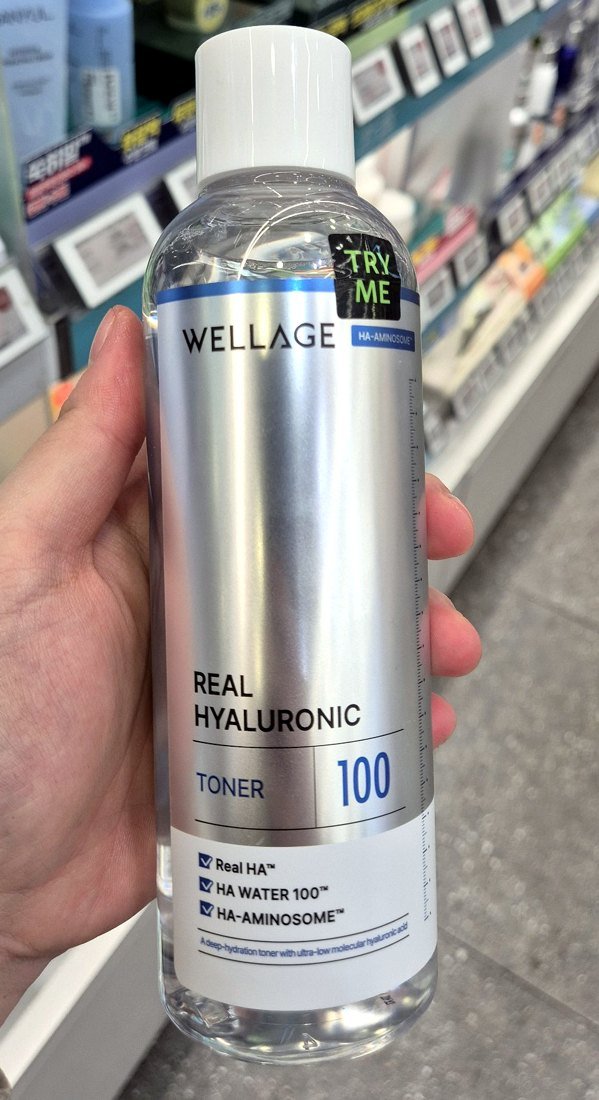
WELLAGE
Real Hyaluronic 100 Toner
Nearly the same ingredients as the famous ampoule.
5. AESTURA toner (Atobarrier 365 Capsule): for your barrier between seasons
AESTURA Atobarrier is the barrier line in Korea, and this toner has high-density ceramide capsules floating in it. When the seasons change and my skin starts feeling fragile, this is the one I’d pat on.
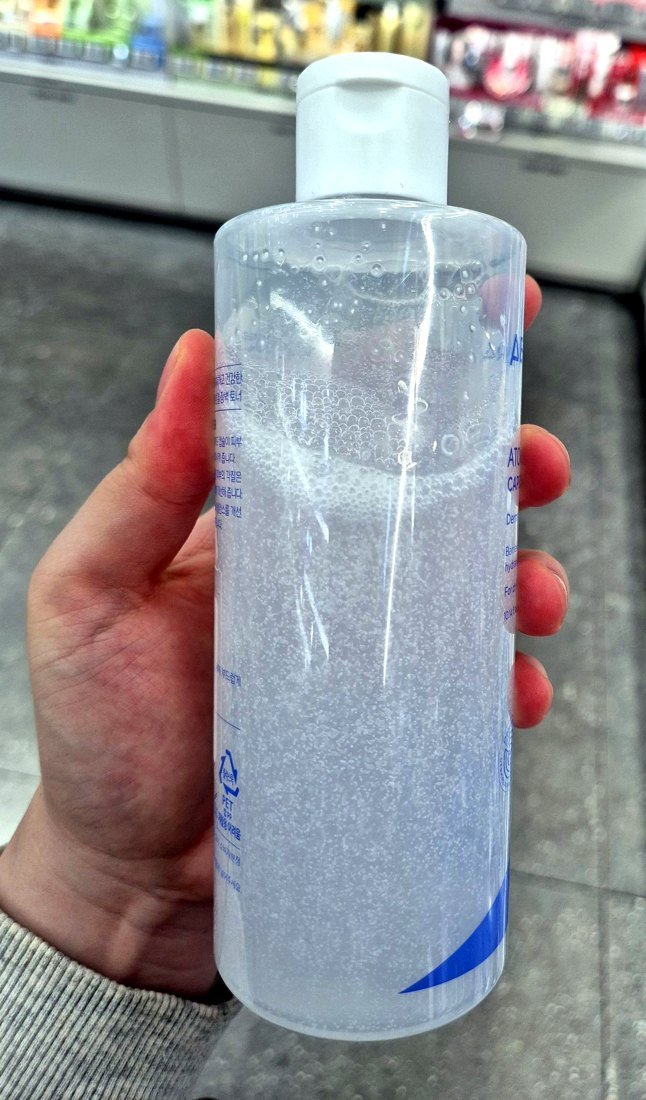
Ingredient check: ceramide NP, cholesterol and sphingolipids, which are the same kinds of lipids your skin barrier is made of. It also has gluconolactone, a PHA that smooths dead skin very gently. No fragrance.
If your barrier is the real problem, the cream you put on after toner matters more. This is my 2-cream Korean barrier routine for winter.
Who it’s for: combination or oily skin that gets tight and sensitive in spring and fall.
Who should skip it: if you only want a plain hydrating toner, Torriden is lighter.
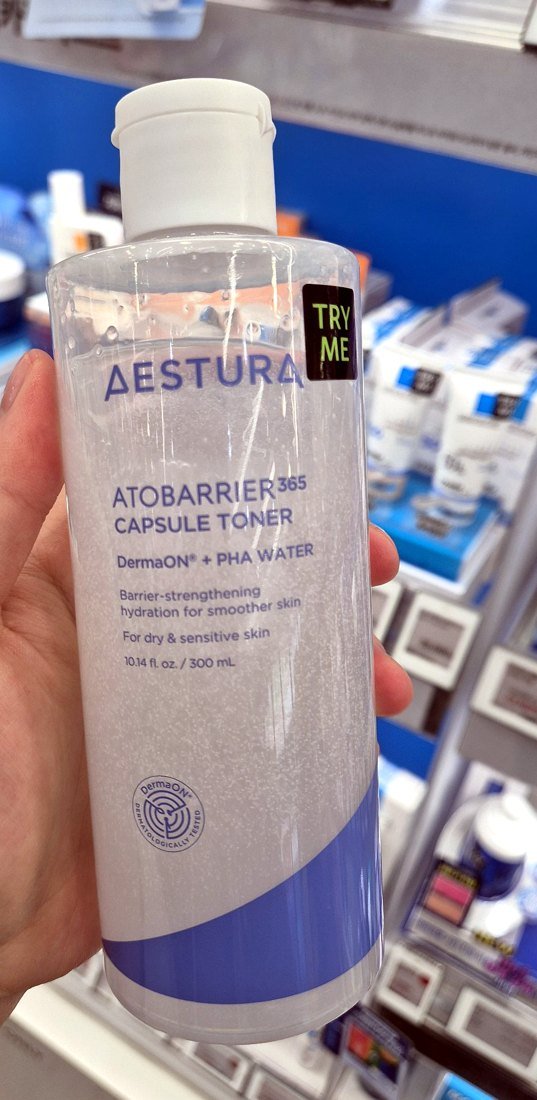
AESTURA
Atobarrier 365 Capsule Toner
Ceramide capsules plus gentle PHA. My season-change barrier toner.
6. Hanyul Pure Artemisia Watery Calming Toner: read the small print
Hanyul’s mugwort toner says on the bottle that it’s a “special trouble-calming” ingredient. In Korean beauty, “trouble” usually makes people think of breakouts.
But read the footnote on the label. Here, “trouble” means dryness, roughness and flaking, and the result is from a lab (in-vitro) test. So it’s a calming, hydrating toner, not an acne toner.
Ingredient check: mugwort leaf water (18,944 ppm) and panthenol (5,000 ppm), with a little centella. The ingredient list includes fragrance.
Who it’s for: skin that gets dry, rough and flaky.
Who should skip it: fragrance-sensitive skin, and anyone shopping for an acne toner.
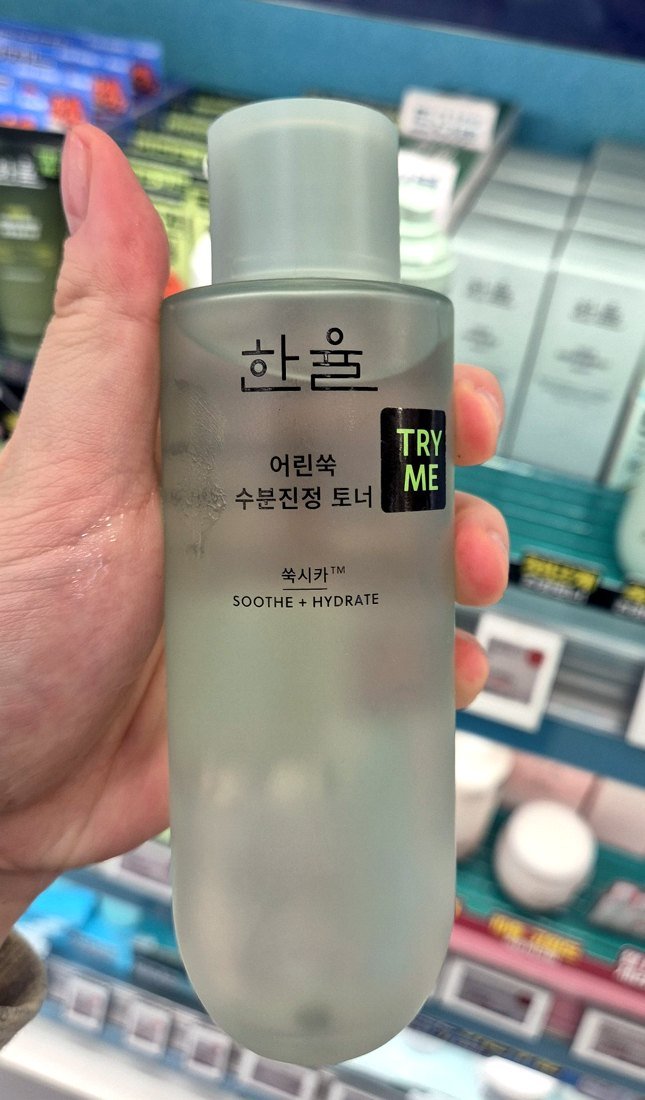
HANYUL
Pure Artemisia Watery Calming Toner
Mugwort and panthenol for dry, rough patches. Contains fragrance.
7. TONYMOLY Ceramide Mochi Toner: the one I use, and why oily skin should skip it
This is the toner I’m using right now. It’s the only one of the seven that’s opaque white, and it really is like mochi: thick and a little sticky.
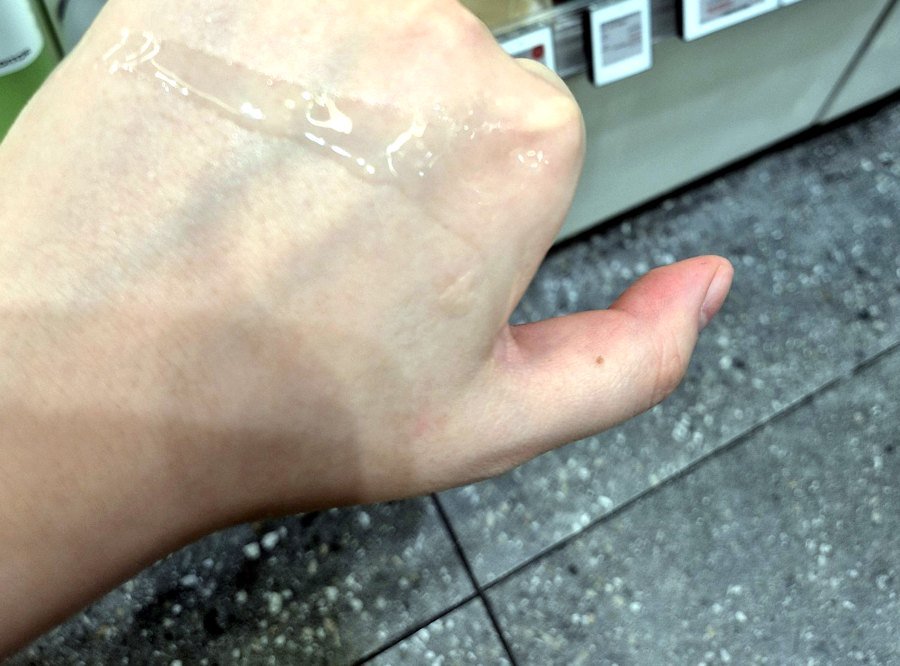
Honestly, for the change of seasons, it looks like the easiest of the bunch. With the others, you need to pat on several layers. With this one, one or two layers is enough, because it’s the richest.
But here’s the catch, and I see it on my own face. By the afternoon, my T-zone gets shiny. Heavy toners do that, and this one most of all. For oily or acne-prone skin, I think it’s too heavy.
Ingredient check: the front says “ceramide 5,000 ppb,” which sounds like a lot. It isn’t. 5,000 ppb is 0.0005%. The rich feel comes mostly from oils and thickeners, including macadamia oil. It also contains lavender, lemon peel and geranium oils, so it has a scent.
Who it’s for: normal to dry skin, and people who don’t want to layer.
Who should skip it: oily skin, acne-prone skin, and fragrance-sensitive skin.
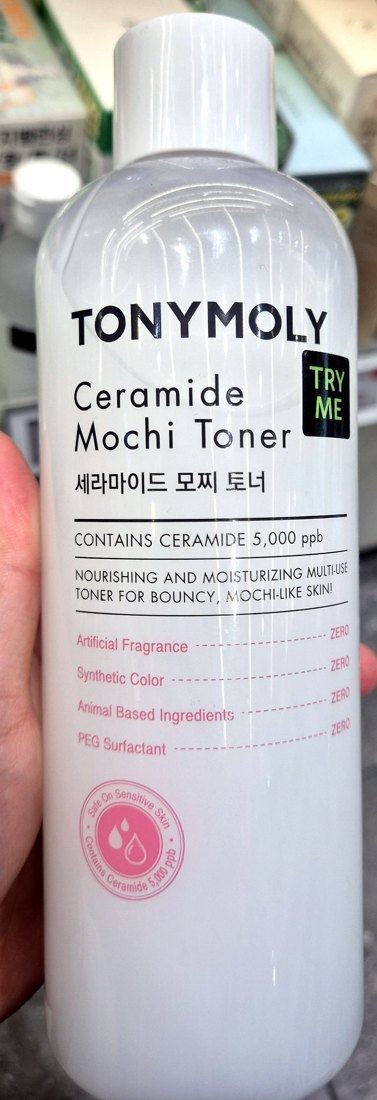
TONYMOLY
Ceramide Mochi Toner
Thick, milky, one or two layers. For dry skin, not oily.
Frequently asked questions
What is the best Korean toner for oily skin?
Of the seven I tried at Olive Young, Torriden Dive-In Toner. It has the lightest texture and absorbs fast, so you can layer it several times without your T-zone feeling heavy.
What is the best Korean toner for combination skin?
My skin is combination, and with a heavy toner my T-zone gets shiny by the afternoon. So I’d pick a light one like Torriden Dive-In and layer it.
Is TONYMOLY Ceramide Mochi Toner good for oily skin?
I don’t think so. It’s the toner I use right now, and by the afternoon my T-zone gets shiny. It’s the thickest of the seven, so it’s a better fit for dry skin, especially when the seasons change.
Should I apply toner with my hands or a cotton pad?
I use my hands most of the time and pat on several layers. Cotton pads aren’t always hygienic, and with hands it’s quicker.
How many layers of toner should oily skin use?
At night, I’d do 3 to 4 layers of a light, watery toner, patted in with your hands. Let each layer absorb before the next.
Does “ceramide 5,000 ppb” mean a lot of ceramide?
No. 5,000 ppb (parts per billion) is 0.0005%. A big number on the front of a bottle doesn’t always mean a big amount.
Is there a Korean toner for acne-prone skin?
Look at numbuzin No.1 and Dr.G R.E.D Blemish. The Korean labels on both say they were tested for acne-prone skin. If you have fungal acne, skip the Dr.G toner, because its capsules contain stearic acid and lecithin.
What should I look for when choosing a toner?
As an esthetician, I check three things: how well it absorbs, whether it’s too watery, and whether it stays light when you layer it.
Ingredient details come from each product’s label and published ingredient list. Formulas can change, so check the bottle you buy. This post is not medical advice. For persistent acne, see a dermatologist.
